
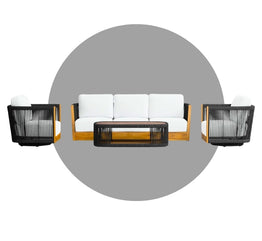
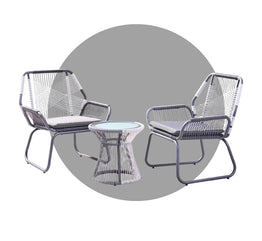
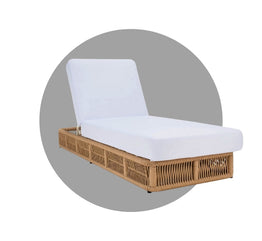
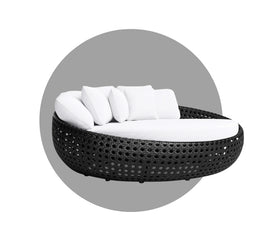


You buy beautiful furniture, place it outside, and still, something feels off. The space looks fine, yet it doesn’t invite you to sit longer. This is a common problem with outdoor areas. More often than not, it’s not the furniture that’s wrong. It’s the layout.
Outdoor spaces work differently from indoor rooms. Sunlight moves, wind flows, and people naturally gather in unexpected spots. When layouts ignore these factors, even the best setups feel awkward.
Let’s look at the most common outdoor layout mistakes and how to fix them with thoughtful planning.
4 Common Outdoor Layout Mistakes and How to Avoid Them
Before making changes, it helps to understand what usually goes wrong.
Mistake 1: Placing Furniture Without a Clear Purpose
What Goes Wrong: Many outdoor areas are furnished without a clear idea of how they’ll be used. A table ends up blocking a walkway. Seating feels scattered. The outdoor furniture looks more like it was placed wherever there was space rather than where it made sense.
How to Avoid It: A little planning before placing furniture can save you a lot of rearranging later.
- Decide how you want to use the space first, whether for dining, relaxing, or hosting.
- Assign a clear role to each furniture piece before placing it.
- Let the function guide placement instead of filling empty spots randomly.
Mistake 2: Overcrowding the Space
What Goes Wrong: Trying to fit too many pieces into one area is tempting, especially when hosting. But overcrowding leaves little room to move and makes the space feel tight. Even a well-sized garden table and chairs can feel overwhelming if everything else is packed too close.
How to Avoid It: Giving your furniture room to breathe makes the space feel calmer and more inviting.
- Leave enough space between pieces for easy movement.
- Choose fewer items that serve multiple purposes.
- Opt for compact or lightweight seating when space is limited.
Compact outdoor seating or smaller patio sets often work better than full-size arrangements in limited spaces.
Mistake 3: Ignoring Movement and Natural Flow
What Goes Wrong: When layouts block natural walking paths, guests hesitate and bump into furniture. Entry points feel cramped. Conversations get interrupted because people keep moving chairs to pass through.
How to Avoid It: When people can move naturally, the entire setup feels effortless.
- Observe how people naturally walk through the space. Keep those paths clear.
- Shift dining setups slightly off-center and allow space around seating clusters.
- When movement feels effortless, the entire setup feels more relaxed.
Mistake 4: Treating Outdoor Furniture Like Indoor Furniture
What Goes Wrong: Outdoor areas often borrow indoor layout logic, which doesn’t always work. Furniture gets placed too close to walls or grouped rigidly. Weather exposure and natural light are ignored.
How to Avoid It: Outdoor spaces need outdoor furniture layouts that respond to nature, not fight it. Here’s what you can do:
- Arrange seating based on how sunlight moves through the space during the day
- Use shade, walls, or plants to your advantage instead of pushing furniture tightly together
- Choose materials and placements that feel relaxed and open rather than rigid
- Allow space around furniture so air and movement flow naturally
Furniture Choices That Help Fix Layout Problems
The right furniture makes good layouts easier to achieve without constant rearranging.
Garden Table and Chairs That Support Better Layouts
The shape and size of your dining setup matter more than people realize. A square dining table works well for compact patios, while a round or rectangular one suits open gardens.
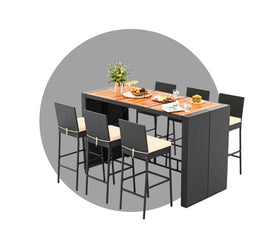
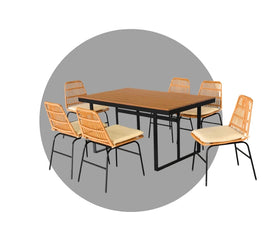
When selecting a garden table and chairs, consider how many people usually gather, not just on special occasions. Smaller dining sets feel lighter and allow better spacing. Placing the table near a wall, railing, or natural boundary helps keep the center open and balanced.
Outdoor Furniture That Adapts to Your Space
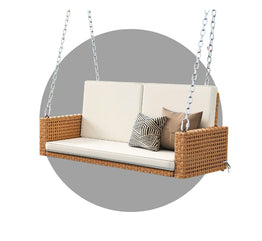
Adaptability is key outdoors. Modular seating and lightweight pieces allow you to adjust layouts easily. Sets inspired by rope patio seating or compact three-piece bistro arrangements are especially useful.
Some flexible options include:
- A small rope patio set with a wooden top table
- A lightweight metal bistro-style dining set for corners
- A compact rattan-style dining group for everyday use
These pieces let you reshape the space depending on how many people are around.
Other Pieces That Improve Layout Flow
Not every function needs a full-size table or sofa. Smaller additions often improve flow more than large furniture.
Helpful additions include:
- Benches placed along walls or railings
- Side tables instead of large center tables
- Stackable stools that can be stored away
These pieces support functionality without crowding the layout.
Small Layout Tweaks That Make a Big Difference
Once the main furniture is in place, small adjustments can transform how the space feels.
Simple Adjustments Worth Trying
- Angle chairs slightly instead of lining them straight
- Create two smaller seating pockets rather than one large cluster
- Use planters or rugs to subtly define zones
These changes make outdoor areas feel more natural and less staged.
How Devoko Helps You Get Outdoor Layouts Right
Devoko designs outdoor furniture with real spaces and real routines in mind. Every collection is created with proportions that feel right outdoors, materials that handle changing weather with ease, and designs that sit comfortably in the space without overpowering it.
Instead of forcing a layout, our furniture works with it. Whether it’s a thoughtfully sized dining arrangement or flexible seating that allows people to move around freely, the focus stays on comfort and flow rather than just filling space.
With a versatile range of garden table and chairs and complementary seating options, we help you create outdoor areas that feel open, balanced, and genuinely easy to live with, day after day.
Conclusion
Outdoor layout mistakes are easy to make, but they’re just as easy to fix once you know what to look for. A clear purpose, enough breathing room, and furniture that adapts to your space can completely change how an outdoor area feels.
Before adding more pieces, take a moment to rethink placement. When your layout flows well, the space invites you to stay longer, talk more, and actually enjoy being outdoors.
